

How to Choose and Use Ayurvedic Products for Daily Health: The Complete Guide to Herbal Powders, Hair Oils and Natural Supplements
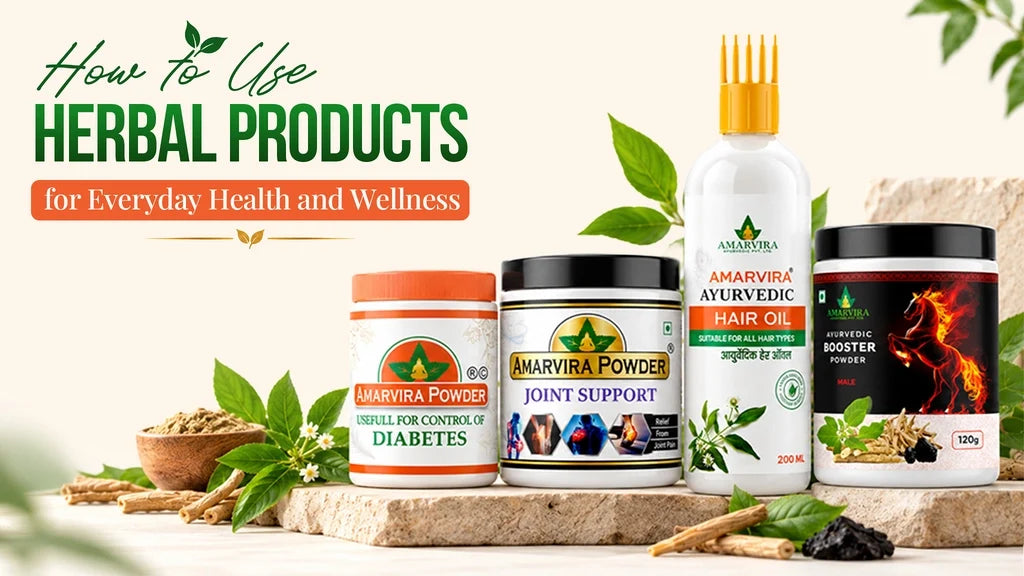
Two jars sit side by side on your screen. Both say "100% Ayurvedic". Both promise strength, shine or balance. Only one tells you which herbs are inside, how much, and who made it.
That one detail separates good Ayurvedic products from loud ones.
This guide helps you make that call in two minutes. You get a quick-pick table by goal, a 7-point label check, plain advice on herbal powders, hair oils and natural supplements, and a daily routine you can start tomorrow.
Quick answer: The best Ayurvedic products is built around one clear goal, with named herbs and quantities, a printed licence number and directions you can follow daily. Start with one product, use it steadily for 6 to 12 weeks, then decide.
Key Takeaways
-
Pick one health goal first, then the format that suits it.
-
Read the ingredient list and directions before the front label.
-
Look for a licence number, batch details and, for shilajit and mineral-based products, a heavy-metal lab report.
-
Judge results after weeks of steady use, not days.
-
Ayurvedic products support daily wellness. They do not replace medicine.
Best Ayurvedic Products by Goal: Quick-Pick Table
|
Your Goal |
Format |
Look for on the Label |
Judge After |
Amarvira Option |
|
Blood-sugar routine support |
Herbal powder |
Gurmar, jamun seed, vijaysar, fenugreek |
8 to 12 weeks |
|
|
Joint comfort and mobility |
Herbal powder |
Guggul, turmeric, parijat, dry ginger |
6 to 12 weeks |
|
|
Hair fall care, scalp nourishment |
Hair oil |
Amla, bhringraj, brahmi, curry leaf, cold-pressed base |
About 3 months |
|
|
Strength, stamina, vitality |
Powder |
Ashwagandha, safed musli, purified shilajit |
6 to 12 weeks |
|
|
All-round daily balance |
Multi-herb powder |
Named herbs with quantities |
6 to 12 weeks |
New to Ayurveda? Pick one row, one product, and read the Safety First section below before you begin.
What Are Ayurvedic Products?
Ayurvedic products are made from herbs, roots, seeds, resins and plant oils, prepared by methods described in Ayurvedic texts. Each format has a classical Sanskrit name:
-
Churna: Powder
-
Taila: Medicated oil
-
Vati: Tablet
-
Kwath: Boiled decoction
-
Avaleha: Jam-like preparation, such as chyawanprash
"Herbal products" is the wider term covering any plant-based formulation, including teas and extracts. A product is specifically Ayurvedic when its formula and preparation follow the classical tradition—such as a classical herb combination, a traditional purification step (shodhana), or a sesame or coconut oil base cooked with medicinal decoctions (sneha paka).
In India, Ayurvedic formulations are manufactured under a manufacturing licence. Many daily wellness powders are sold as dietary or food supplements under an FSSAI licence. Either way, a valid licence number must be printed clearly on the packaging.
"Daily health" here refers to supporting everyday lifestyle needs: stress management, scalp care, joint mobility, and baseline vitality. It does not mean diagnosing, treating, or curing clinical conditions.
Doshas in One Minute
Ayurveda categorizes three functional energetic patterns:
-
Vata (air and space): Governs movement, lightness, and dryness.
-
Pitta (fire and water): Governs digestion, metabolic heat, and transformation.
-
Kapha (earth and water): Governs structure, lubrication, and steadiness.
Ayurvedic practitioners align herbs and carrier oils with these patterns. While online dosha quizzes offer a rough introduction, personalized guidance should always come from a qualified Ayurvedic physician (BAMS).
7 Checks Before You Buy Any Ayurvedic Product
Score a product one point for each check it passes. A score of 6 or 7 out of 7 indicates a reliable product; below 4, it is best to skip it.
-
One clear goal: "Immunity, stamina, hair growth, sugar balance, and glowing skin" on one label is marketing, not a thoughtful formula. High-quality products target a focused need.
-
Named herbs and quantities: Look for the specific plant names, botanical names (e.g., Withania somnifera for ashwagandha), and the exact quantity per serving. Avoid ambiguous "proprietary blends" that fail to disclose individual herb proportions.
-
A format you will actually use:
-
Powder (Churna): Traditional, flexible dosage, earthy taste.
-
Tablet/Capsule (Vati): Convenient for travel, though per-serving herb volume may be smaller.
-
Oil (Taila): Strictly for external application.
-
Juice (Swarasa): Ready to drink, but check the nutritional panel for added sugars or artificial preservatives.
-
Licence, batch number, and testing: Ensure the packaging includes an FSSAI licence number, batch number, manufacturing/expiry dates, and a physical manufacturing address. For shilajit and products containing bhasmas (processed minerals), request a third-party heavy-metal lab report.
-
Honest claims: Promises such as "cures diabetes in 7 days" violate advertising norms and statutory regulations (including the Drugs and Magic Remedies Act, 1954). Responsible brands describe products as "traditionally used for" or "supports".
-
Clear directions: Recommended dosage, carrier (anupana), timing (pre- or post-meal), duration, and contraindications should be clearly stated on the box or product page.
-
A brand you can reach: Verify customer service contact details, a physical address, clear return/refund policies, and verified customer reviews before purchasing online.
Ayurvedic Herbal Powders: The Everyday Format That Works
Herbal powders (churnas) represent one of the purest and simplest daily practices in Ayurveda: a measured spoonful stirred into warm water or milk. Whole herb powders retain all plant constituents, honoring the classical principle of samyoga (herbs acting synergistically).
Common Herbs and Their Traditional Uses
-
Ashwagandha: Adaptogenic root used for stress resilience, physical vitality, and restful sleep.
-
Shatavari: Nourishing root traditionally used for female hormonal and reproductive balance.
-
Amla: Vitamin C-dense fruit used for digestive support, natural immunity, and hair health.
-
Turmeric (Haldi): Well-known rhizome used for joint comfort and systemic balance.
-
Guggul: Herbal resin traditionally featured in formulas supporting joint comfort and lipid metabolism.
-
Gurmar, Jamun Seed, Vijaysar: Classical botanicals traditionally included in blood-sugar wellness regimens.
-
Moringa: Nutrient-dense leaf powder widely used for everyday micronutrient support.

Shatavari Powder: What It Is Good For
Shatavari (Asparagus racemosus) is traditionally prized as a rejuvenative tonic for women's reproductive health, including postpartum nourishment. While clinical research is expanding, most claims stem from centuries of traditional use. Because it can influence metabolic parameters, individuals taking blood-sugar medication, as well as pregnant or nursing mothers, should consult their physician before use.
How to Take an Ayurvedic Herbal Powder
-
Measure accurately: Use a clean, dry measuring spoon rather than an arbitrary "heaped spoonful."
-
Choose the carrier (anupana): Warm water is a universal, neutral carrier. Warm milk is classically recommended for nourishing, tonifying herbs like ashwagandha.
-
Stir and drink immediately: Natural powders settle quickly; stir thoroughly and consume right away.
-
Follow meal timing: Blood-sugar support and joint-care powders are typically consumed 20 to 30 minutes before meals.
-
Storage: Keep powders sealed airtight in an opaque glass or stainless steel container, away from heat, moisture, and direct sunlight.
Powders for Blood-Sugar and Joint Support
Consumer demand for "diabetic powders" and "Ayurvedic sugar control powders" has grown significantly, alongside exaggerated claims. Use these products prudently: as complementary lifestyle support alongside diet, daily walking, and physician-prescribed medication-never as a substitute. Never discontinue or adjust prescription medication without consulting your doctor.
Classical botanicals like gurmar, jamun seed, vijaysar, and fenugreek have documented use in daily routines. Amarvira’s Ayurvedic Diabetes Powder combines gurmar, jamun seed, vijaysar, moringa, amla, ashwagandha, turmeric, flaxseed, and kutki, with all herbs fully disclosed on the label. For metabolic balance, consider the Ayurvedic Herbal Powder for Blood Sugar & Metabolic Wellness, and for mobility, refer to the Traditional Joint Support Powder.
If you are looking for natural ways to support blood sugar, it is important to understand the condition first. Read our complete guide on What is Diabetes: Types, Symptoms, Causes, and Treatment
Who Makes Your Ayurvedic Products? Meet the Founder Behind Amarvira
It helps to know who stands behind the jar. Amarvira is the Ayurvedic wellness brand of Amar Ayurveda, based in Surat, Gujarat. Nirav Patel founded it in 2021 with a clear objective: bring traditional herbal formulas into everyday routines, with every single ingredient disclosed in plain view.
"I started Amarvira after seeing people close to me struggle with opaque formulas, hidden blends, and exaggerated marketing claims," says founder Nirav Patel. "Every batch we produce starts with botanicals sourced directly from trusted farmers, and I personally review our purity and safety lab screenings before a single jar leaves our facility in Surat."
The brand has served over 3.5 lakh customers across 33 districts and 251 talukas. The product line is intentionally curated: focused formulations for blood sugar support, metabolic wellness, joint comfort, men’s vitality, and botanical hair care.
To learn more about our journey, values, and the people behind the brand, visit our About Us page.
Ayurvedic Hair Oil: How to Choose One for Hair Fall and Growth
Hair fall is among the most frequent reasons people explore Ayurveda, but it is also prone to unrealistic promises. A well-formulated herbal hair oil conditions the hair shaft, nourishes the scalp, and establishes a restorative self-care ritual.
What to Look For
No single hair oil works for every person; formulation depends on your scalp type (dry, oily, or dandruff-prone):
-
Base oil: Cold-pressed coconut oil is traditional and cooling, ideal for warmer climates like Gujarat. Cold-pressed sesame oil is warming and deeply penetrating, often favored in cooler seasons.
-
Herbal infusion: Look for classical herbs including amla, bhringraj, brahmi, curry leaves, hibiscus, and fenugreek (methi). Transparent brands list each herb individually rather than grouping them under generic "herbal extracts."
-
What to avoid: Ensure mineral oil (liquid paraffin) is not the primary carrier base, and avoid heavy artificial perfumes.
Amarvira’s Ayurvedic Hair Growth Oil infuses amla, bhringraj, brahmi, curry leaves, hibiscus, and fenugreek into a pure, cold-pressed coconut oil base.
How to Use Hair Oil: The Shiroabhyanga Method
Shiroabhyanga refers to the traditional Ayurvedic practice of intentional head massage:
-
Patch test: Apply a drop behind your ear and observe for 24 hours to rule out sensitivity.
-
Warm the oil: Place the oil bottle in a bowl of warm water until lukewarm; never boil or microwave directly.
-
Massage gently: Part your hair in sections and massage the scalp for 5 to 10 minutes using circular motions with your fingertips, avoiding nails.
-
Leave-in time: Allow the oil to absorb for 1 to 2 hours. Overnight application works well for very dry scalps, while oily or dandruff-prone scalps generally benefit from shorter applications.
-
Cleanse: Wash out with a gentle, sulfate-free herbal cleanser.
-
Maintain consistency: Maintain the routine 2 to 3 times weekly for at least 3 months, keeping in mind that scalp hair typically grows approximately 1 cm per month.

Being Realistic About Hair Fall
Hair thinning can stem from internal factors such as ferritin (iron) or vitamin D deficiencies, thyroid irregularities, hormonal shifts, postpartum recovery, stress, or rapid weight loss. Topical oils support scalp circulation and condition the hair shaft, but cannot correct underlying nutritional or hormonal deficiencies. If hair shedding is sudden, patchy, or severe, consult a dermatologist or physician alongside your topical routine.
Natural Supplements for Strength and Stamina: Ashwagandha, Shilajit and Safed Musli
Vitality formulations often carry the steepest claims and the widest variances in quality. Here is what science and tradition say about three widely searched herbs:
Ashwagandha Powder
Ashwagandha (Withania somnifera) is one of Ayurveda’s foremost adaptogens. Review data published through the US National Institutes of Health suggests that ashwagandha extracts may help reduce stress, support anxiety management, and promote healthy sleep patterns. In reviewed trials, usage periods of up to 3 months appeared well tolerated, though long-term clinical safety data remains limited.
Precautions: Avoid during pregnancy and lactation. Potential side effects can include mild digestive discomfort or drowsiness. Individuals with thyroid disorders, autoimmune conditions, or upcoming surgical procedures should consult their doctor before use due to possible metabolic and medication interactions.
Shilajit Benefits for Men
Shilajit is an organic mineral pitch that exudes from high-altitude Himalayan rock layers, traditionally taken for vitality and stamina. Peer-reviewed human trials remain limited. The critical factor with shilajit is processing: unpurified raw shilajit can contain environmental heavy metals (lead, arsenic, mercury).
Safed Musli
Safed musli (Chlorophytum borivilianum) is a white tuberous root traditionally categorized as a restorative rasayana. While clinical evidence in humans remains preliminary, source transparency and botanical purity are essential when purchasing this herb.
Choosing a Stamina Supplement
No herbal formulation replaces adequate sleep, balanced nutrition, hydration, and regular exercise. Supplements serve as supportive adjuncts to these fundamentals. Amarvira's Stamina Booster & Vitality Powder for Men is designed specifically to complement an active, balanced lifestyle.
A Simple Daily Routine (Dinacharya) With Ayurvedic Products
To monitor tolerance and efficacy, introduce one product at a time. Maintain consistent use for two weeks before introducing another product into your routine.
|
Timing |
Habit / Product |
Practical Note |
|
Morning |
Metabolic or joint support powder in warm water |
Consume 20 to 30 minutes before breakfast as directed on pack. |
|
Daily Baseline |
20–30 min walk, hydration, regular meals |
Essential foundation; supplements cannot replace lifestyle habits. |
|
Evening |
Ashwagandha in warm milk or water |
Best taken after dinner if approved by your healthcare provider. |
|
2–3x Weekly |
Scalp oil massage (Shiroabhyanga) |
Leave on for 1–2 hours before washing with a mild shampoo. |
|
Bedtime |
Consistent sleep schedule, screen-free wind-down |
Quality restorative sleep directly impacts vitality, stress, and hair health. |
Evaluate herbal powders across 6 to 12 weeks of consistent use, and hair oils over a full 3-month window.
Safety First: Read This Before You Start
Natural ingredients can still cause physiological reactions or interact with medicines. Consult a qualified medical practitioner before introducing Ayurvedic products if:
-
You are pregnant or nursing: Many traditional herbs (including ashwagandha) should be strictly avoided.
-
You take prescription medications: Especially therapies for diabetes, hypertension, thyroid function, anticoagulants (blood thinners), or sedatives. Never alter medication doses based on supplement use.
-
You have pre-existing liver or kidney conditions: Ensure complete purity verification and professional guidance.
-
You have planned surgery: Certain botanicals can affect anesthesia response or coagulation; disclose all herbal supplements to your surgical team.
-
The product is intended for children: Pediatric doses differ significantly; never administer adult formulations to children without pediatrician approval.
Discontinue use immediately and consult a doctor if you experience cutaneous rashes, gastrointestinal distress, or allergic symptoms.
Conclusion: Choose Slowly, Use Consistently
Effective Ayurvedic products do not rely on aggressive claims. They feature transparent formulations, verified manufacturing licences, and clear usage guidelines. Select one goal, introduce one product at a time, and allow your body the weeks needed to respond.







 Retner.ai

